The feudal history of Labro





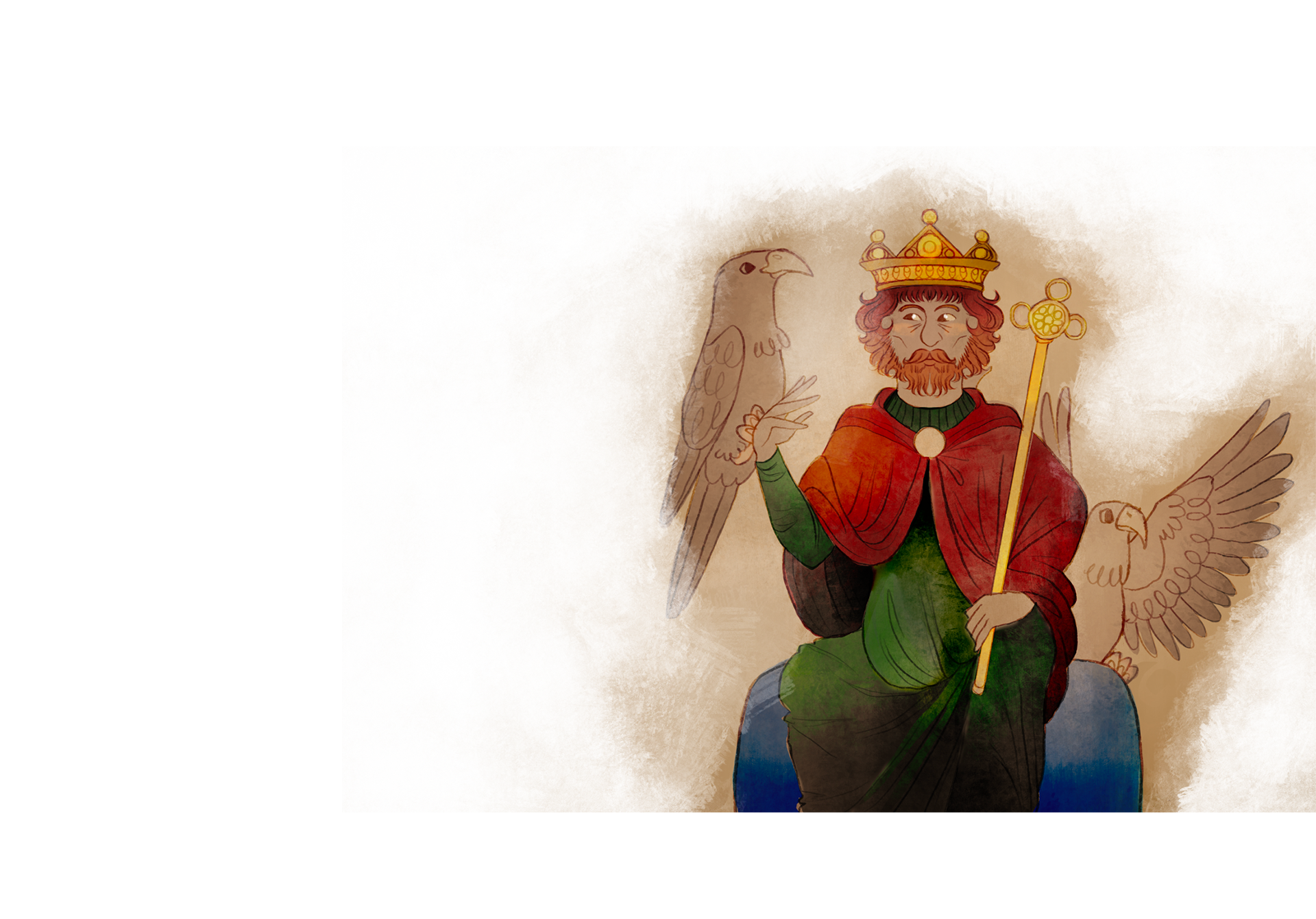
Regarding the origins of Labro and its castle there are a number of legends. Perhaps it was founded as a settlement during the Roman period or its formation could be even more ancient. The first historical record that can be proven is from the year 956, when the Emperor Otto the Great granted to Arrone de’ Nobili the fiefdom of Labro, consisting of 12 castles many of which no longer exist today, between the Duchy of Spoleto and the County of Rieti.
Otto the Great granted as coat of arms to the de’ Nobili family the imperial eagle of the Ottonian dynasty and the trout, a symbol of fishing rights on rivers and lakes that characterized the area.
Labro can be seen as a typical medieval castle, considered as a fortified village upland, consisting of a tower for defense purposes on the top and the settlement along the slope, encolsed by walls.
One of the most important dominions held by the Labro’s lords were: the Castle of Agnese, found between Labro and Piediluco, a key landing spot of Labro which had its own harbour on the banks of the lake, the Harbour of Agnese; The Rocca di Monte Arsiccio, gateway to access the mountain on the very border with Morro Reatino. The Castle of Morro Vecchio a Grumolo, surrounded by waters in the times of yore, that could be reached via drawbridge. This settlement was strategical due to the fact that it possessed control over flows streaming along the line of river ports between the lake of Piediluco and the town of Rieti.
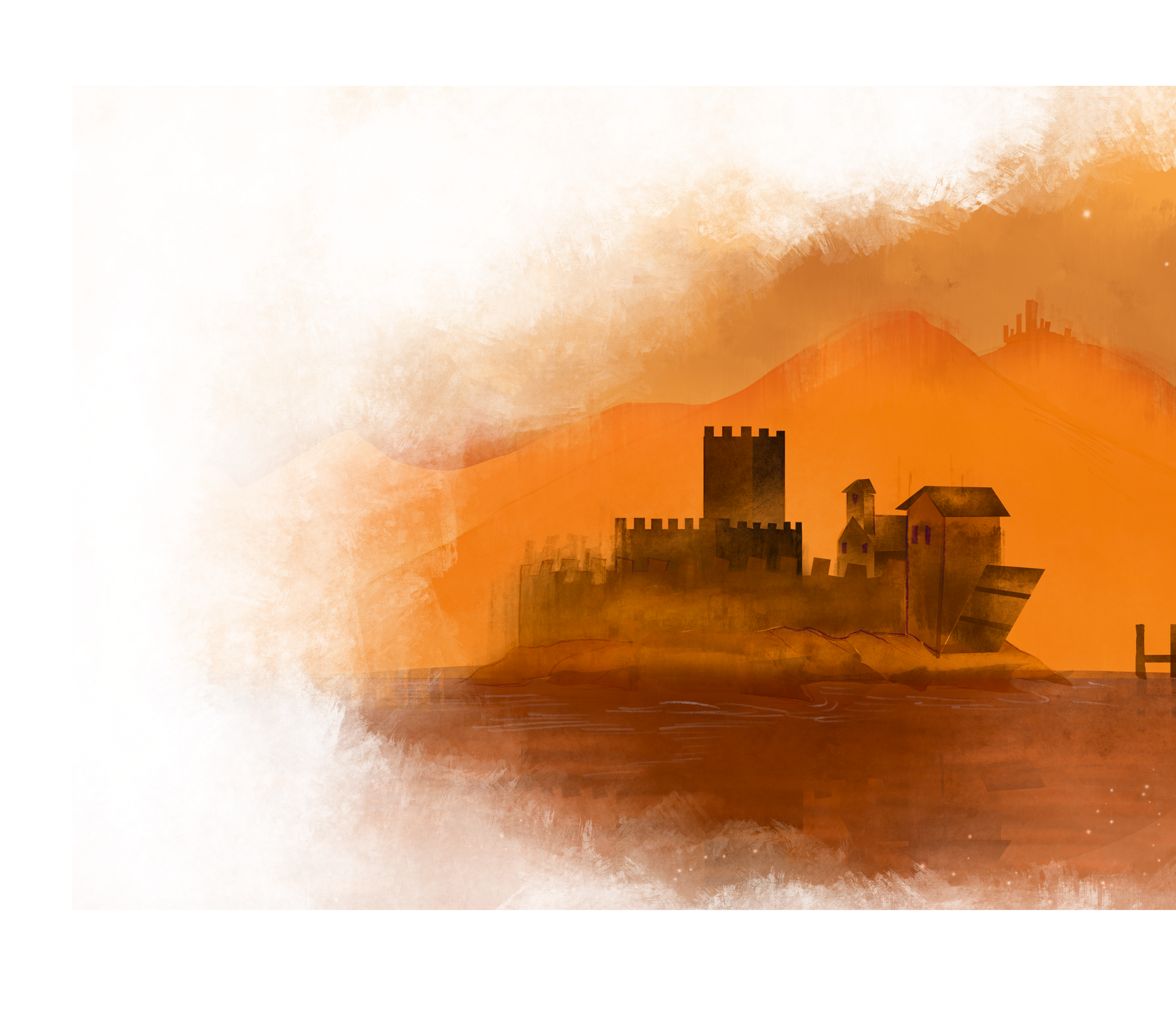
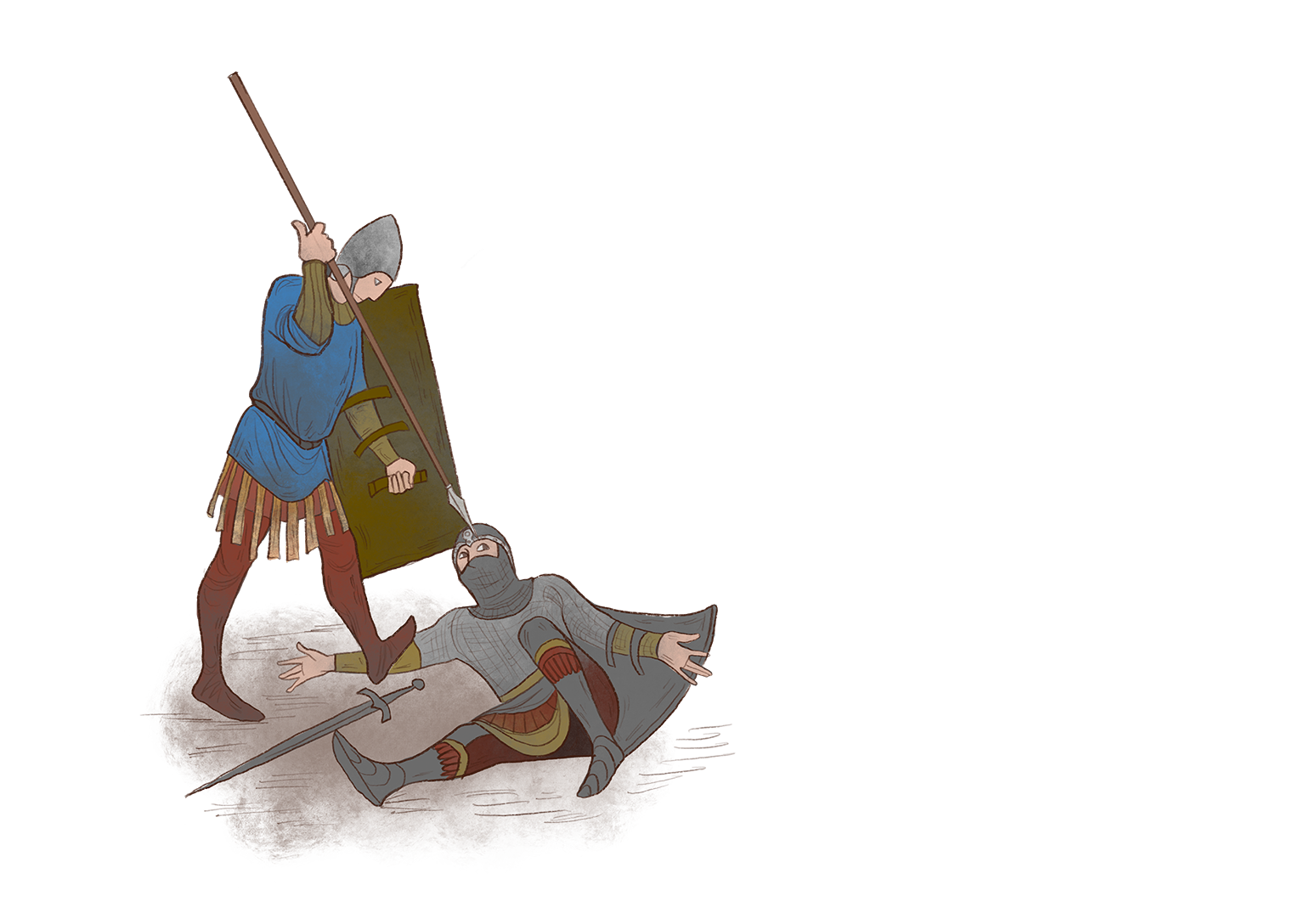
Due to its strategic location the history of Labro has been characterized by countless quarrels, on a greater note from the XIII century up to the XIV century. A special spot is held by the wars against Rocca di Luco (present day Piediluco, in Umbria) which were particularly violent. The two communities struggled to gain control over their territorial borders and water routes. The Nobili of Labro were supported by the County of Rieti, while the lords of Piediluco were backed up by the Duchy of Spoleto.
Engraved in the memory to this very day is the quarrel over the ownership of Mount Caperno, resolved by Pope Boniface VIII who ordered the people of Labro to demolish the stronghold they once built.
To remember that harsh contest, in the early Twentieth Century, the family Nobili Vitelleschi would offer to Piediluco a marble statue of the Immaculate Conception that has been laid at the peak of Mount Caperno, just above the lake, facing the town of Piediluco as a token of peace; it came to be known as the Madonnina dell’Eco.